Cool Weather Roofing: What Home and Building Owners Should Know
December 28, 2025
Why Experience, Preparation, and Precision Matter When Roofing in Cooler Temperatures
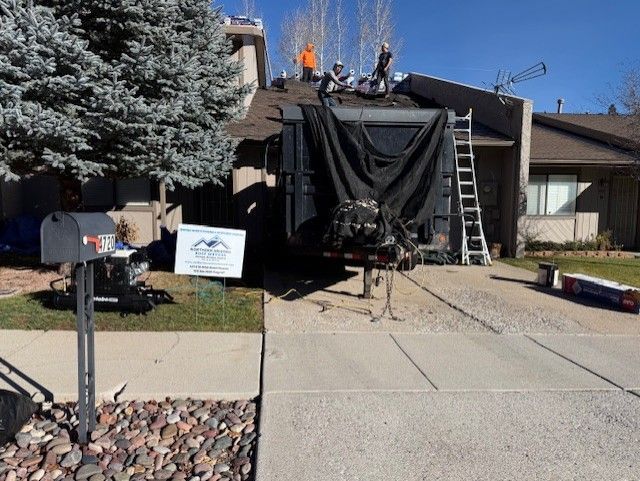
In Arizona, roofing season doesn’t always line up neatly with warm weather. Cooler temperatures in the Valley, early snow up North, and fluctuating conditions often raise an important question for home and building owners: Can roofing be done safely and effectively in cool weather?
The answer is yes, when the work is performed correctly and in accordance with manufacturer guidelines.
Understanding how temperature affects roofing materials and installation methods is essential to protecting both your roof and its long-term warranty.
Asphalt shingles, one of the most commonly used roofing materials, are designed to perform within specific temperature ranges. Typically, shingles should not be installed when temperatures fall below 40 degrees Fahrenheit. In colder conditions, shingles become less flexible and the adhesive strips that help them seal properly may not activate on their own. Without proper sealing, shingles can be more vulnerable to wind uplift and long-term performance issues.
However, cool weather roofing does not automatically mean poor results or voided warranties. Manufacturers recognize that roofing often must be completed in a variety of climates and seasons. When a qualified roofing contractor follows the manufacturer’s application instructions precisely, warranties remain valid, even in cooler temperatures. The key is using proper installation techniques that compensate for the lack of natural heat.
Successful cool weather roofing begins with careful planning and material handling. Shingles must be stored in a warm, dry environment prior to installation to maintain their flexibility. Bringing only the necessary materials onto the roof at a time helps prevent cold exposure that can stiffen shingles and make them more difficult to work with. This level of preparation ensures the materials perform as intended once installed.
Equally important is the condition of the roof deck. A clean, dry, and properly prepared deck is critical in any roofing project, but it becomes even more essential in cool weather. Moisture, frost, or debris on the deck can interfere with proper adhesion and compromise the integrity of the roofing system. Proper underlayment installation also plays a vital role in protecting the structure from cold-weather moisture intrusion.
Precision during installation is another critical factor. In cool weather applications, shingles should be installed using a six-nail fastening pattern to provide enhanced wind resistance and added stability. Accurate nail placement helps secure shingles in place while they await full sealing, which may occur later when temperatures rise.
Because natural heat may not be sufficient to activate the shingle adhesive during colder months, hand sealing becomes an essential step in the process. Hand sealing ensures that shingles bond properly, reducing the risk of lifting or blow-offs caused by wind. This extra attention to detail helps protect the roof until warmer conditions allow the adhesive strips to fully seal on their own.
Cool weather roofing requires experience, patience, and a commitment to best practices. Not every contractor is equipped to perform this type of work correctly, which is why choosing a knowledgeable roofing professional matters. A skilled contractor understands when conditions are suitable for installation and when it’s best to pause work to protect the quality of the roof.
While temperature plays an important role in roofing, it does not have to limit your options. With proper planning, material handling, precise installation, and adherence to manufacturer guidelines, roofing projects completed in cool weather can deliver the same durability, performance, and warranty protection as those installed in warmer months.
For home and building owners, the most important takeaway is this: cool weather roofing can be done successfully, but only when it’s done right. Investing in a contractor who prioritizes craftsmanship and long-term performance ensures your roof remains a reliable part of your property for years to come.
Here are five smart, practical questions home and business owners should ask when selecting a roofing company, specifically focused on cool weather installation best practices.
- What temperature guidelines do you follow for shingle installation, and how do you adjust your process in cooler weather?
This question helps ensure the contractor understands manufacturer temperature requirements and does not cut corners when conditions are cold. - How do you store roofing materials before and during installation in cool weather?
Proper storage is critical in colder temperatures. A qualified roofer should explain how they keep shingles warm, dry, and flexible prior to installation. - What steps do you take to ensure shingles seal properly when natural heat isn’t available?
This allows the contractor to describe practices such as hand sealing and enhanced fastening methods that protect the roof until full sealing occurs. - Do you follow manufacturer installation instructions to ensure the roof warranty remains valid in cool weather?
The answer should clearly confirm adherence to manufacturer guidelines and demonstrate knowledge of warranty requirements. - What fastening pattern do you use for cool weather installations, and why?
An experienced contractor should be able to explain the importance of precise nail placement and why a six-nail pattern provides added security in cooler, wind-prone conditions.
If you’re considering a roofing project during cooler weather, choosing the right contractor makes all the difference. Asking the right questions and working with an experienced professional helps ensure your roof is installed correctly, performs as intended, and remains fully protected under warranty.
For more information about cool weather roofing or to schedule an inspection, contact us today! Our team is happy to answer your questions and help you determine the best solution for your home or building.
Phone: 928 366-3504
Email: sales@northernarizonaroofservices.com
Website: www.northernarizonaroofservices.com
Protect your investment by working with a roofing company that prioritizes planning, precision, and long-term performance, no matter the season.
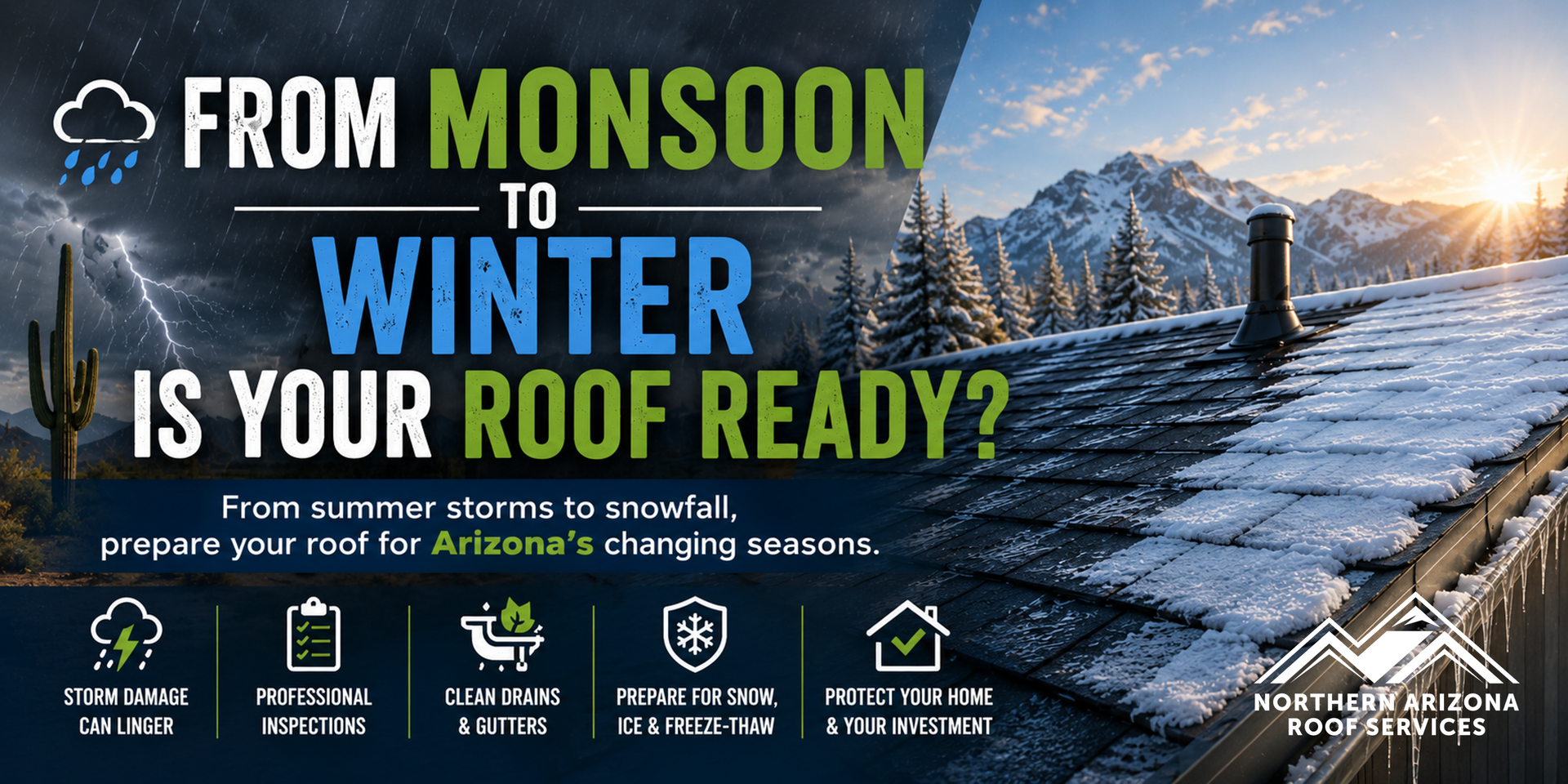
Prepare Your Roof for Northern Arizona’s Changing Seasons
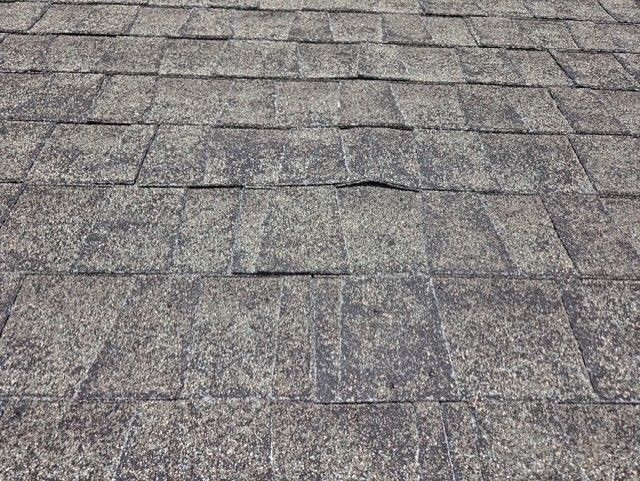
Know the warning signs of worn-out shingles before a small problem turns into a costly leak.
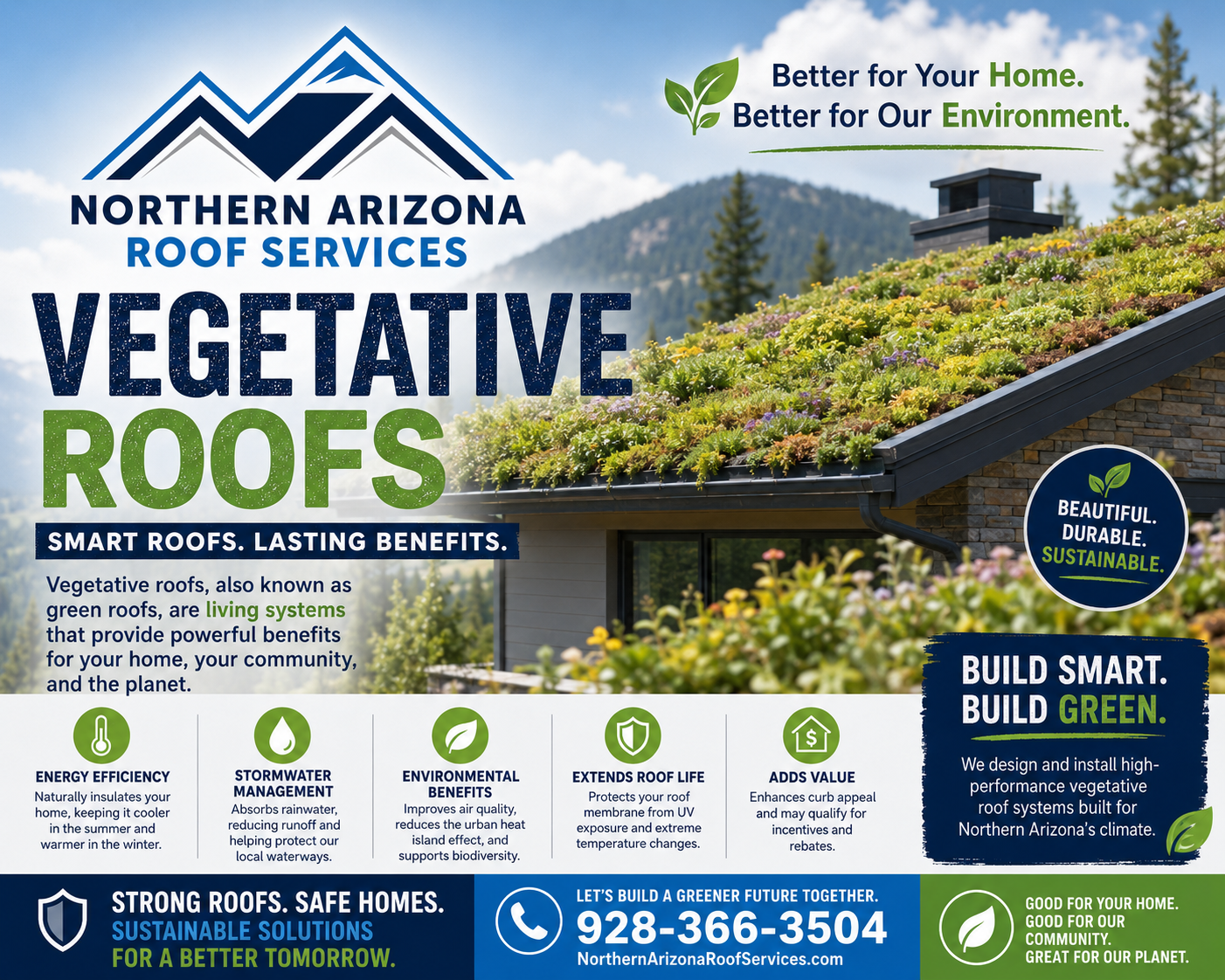
More than a roof...vegetative roofing systems help manage stormwater, improve energy efficiency, reduce urban heat, and create beautiful, functional spaces for people and nature.
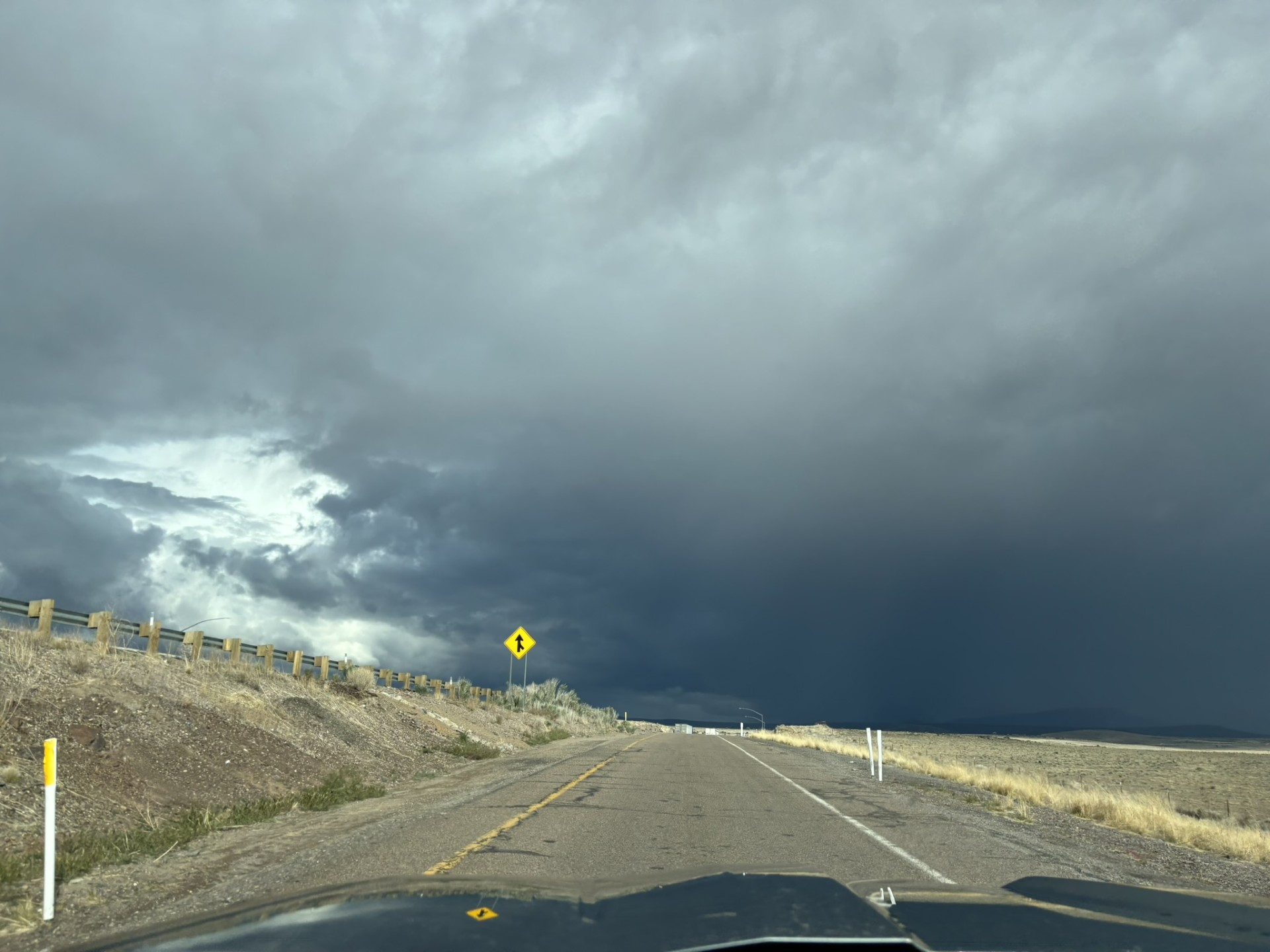
From Dust Storms to Downpours: Preparing for Arizona's Most Unpredictable Weather
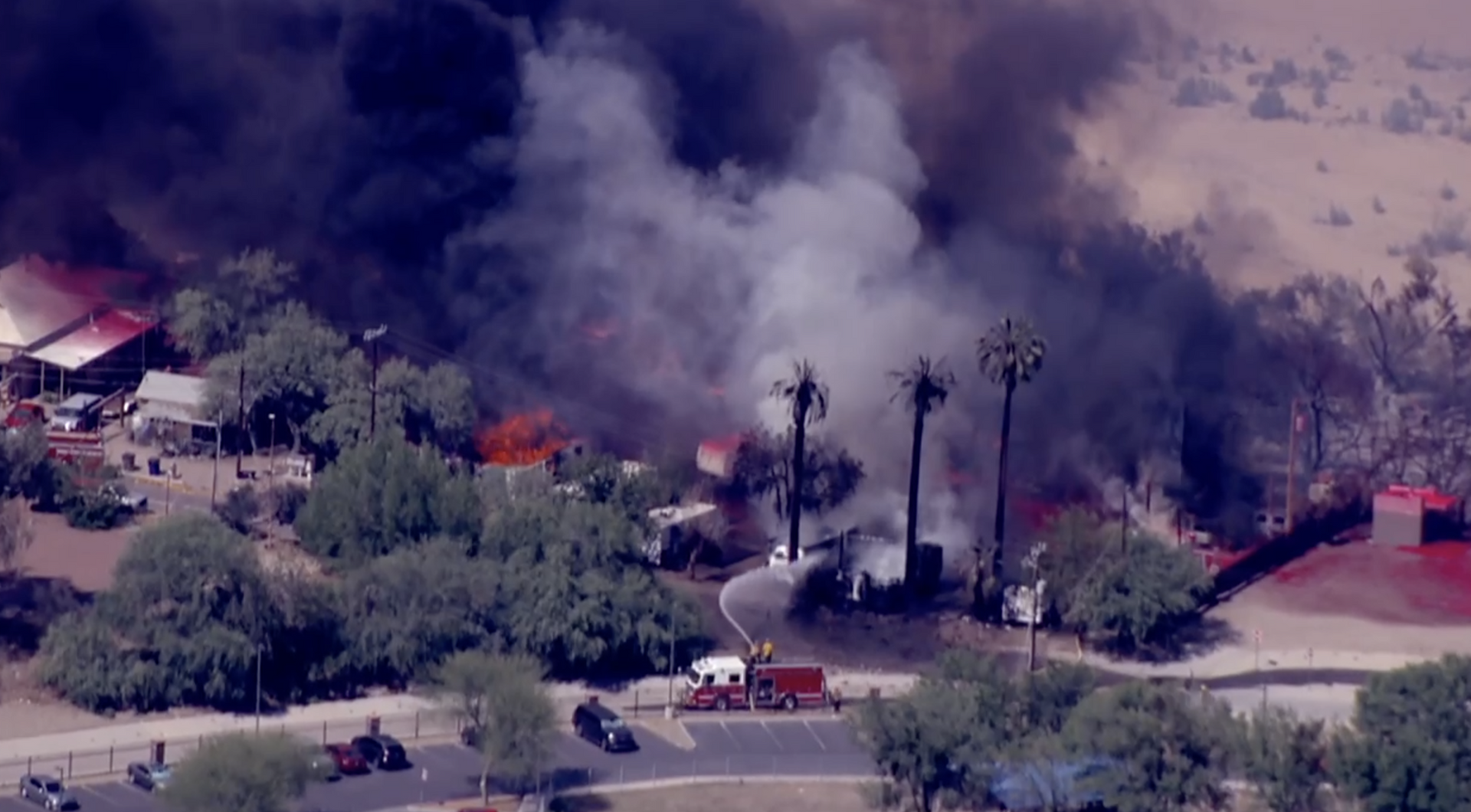
Protecting Your Home, Family, and Property During Arizona’s Growing Wildfire Threat

Jennifer George of Northern Arizona Roof Services Named Finalist
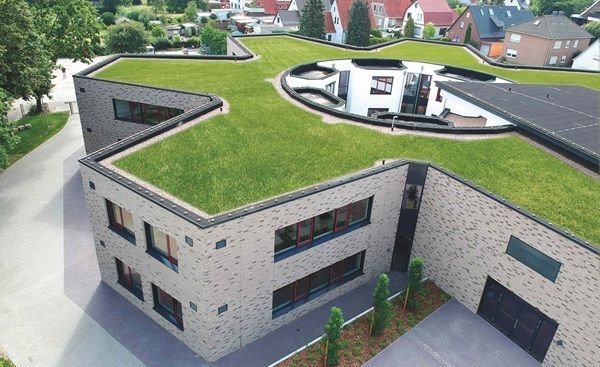
Earth Day is a great reminder that even the work happening above our heads can make a difference. Roofing plays a bigger role in sustainability than many people realize—from the materials used to how systems are maintained and even how they’re repurposed. Start with Smart Material Choices Eco-friendly roofing begins with selecting materials that are durable, recyclable, and energy-efficient. Cool roofing systems reflect sunlight and reduce heat absorption, lowering energy use and cooling costs Darker roofing materials in cooler climates can help absorb and retain heat, improving energy efficiency during colder months Recyclable materials like metal roofing and certain composites help reduce landfill waste Sustainable products offer longer lifespans, meaning fewer replacements over time The longer a roof lasts, the less waste it creates. Restore Instead of Replace One of the most impactful ways to be eco-friendly is choosing restoration when possible. Roof coatings (silicone, acrylic, elastomeric) can extend a roof’s life by 10–20 years Reduces tear-off waste Uses fewer new materials Restoration is both cost-effective and environmentally responsible. Reduce & Reuse Jobsite Materials Roofing projects don’t have to mean everything goes to the landfill. Recycle shingles, metal, and other materials whenever possible Minimize waste through careful tear-off practices Creative Reuse: From Roof to Home Design Materials like corrugated metal panels can be repurposed into unique interior features: Accent walls or ceilings Kitchen backsplashes Bar fronts or shelving Decorative outdoor elements Repurposing materials not only reduces waste but adds character and a story to your space. Rooftop Gardens: Function Meets Sustainability Green roofing is gaining popularity...and for good reason. Natural insulation: Rooftop gardens help regulate building temperature, keeping interiors cooler in the summer and warmer in the winter Energy savings: Reduced demand on HVAC systems Environmental benefits: Plants absorb carbon dioxide, improve air quality, and help manage stormwater runoff Aesthetic value: Creates usable green space in urban environments Rooftop gardens turn unused space into something functional, beautiful, and environmentally beneficial. Improve Energy Efficiency A well-designed roofing system directly impacts energy use. Proper insulation and ventilation reduce energy loss Reflective coatings lower heat gain Energy-efficient roofs reduce overall carbon footprint Maintain What You Have Sustainability isn’t just about installation, it’s about longevity. Regular inspections prevent major damage Maintenance extends the life of the roof Fewer replacements mean less waste Taking care of your roof is one of the easiest ways to be eco-friendly. Build with Responsibility An eco-conscious roofing company also focuses on how work is performed: Following environmental and safety standards Using efficient equipment and reducing unnecessary waste Educating customers on sustainable options The Bottom Line Eco-friendly roofing is about making smarter choices from installation to maintenance to reuse. By extending the life of materials, reducing waste, and exploring innovative options like rooftop gardens, roofing can play a meaningful role in protecting both your property and the environment. This Earth Day, think beyond the surface...your roof has more potential than you might expect. To learn more about eco-friendly roofing options, click the links below and visit our trusted partners, Brava , Carlisle and QXO .
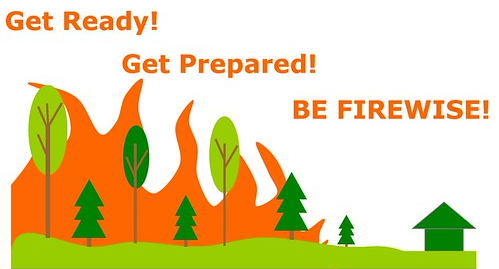
Wildfire season in Arizona looks a little different depending on where you live—but one thing remains the same: preparation is key. From the pine-filled neighborhoods of Northern Arizona to the desert landscapes of Phoenix and surrounding areas, homeowners can take simple, proactive steps to reduce risk and better protect their homes. 🌲 High Country vs. Desert...Different Landscapes, Same Responsibility In the high country, wildfire risk is often driven by dense vegetation, pine needles, and forest proximity. Roofs, gutters, and valleys can easily collect debris that becomes fuel for embers. In the desert, the risk may not seem as obvious—but dry brush, wind-driven embers, and extreme heat can still create dangerous conditions. Flat roofs, foam systems, and rooftop equipment can all be vulnerable if not properly maintained. No matter where you are, wind can carry embers over long distances—meaning your home doesn’t have to be near an active fire to be at risk. Why Your Roof Plays a Critical Role Your roof is one of the most important lines of defense during wildfire season. Common vulnerabilities we see include: Dry leaves and pine needles collecting in valleys and around penetrations Unsealed vents or gaps where embers can enter Aging or deteriorated materials that ignite more easily Debris buildup behind parapet walls on flat roofs A well-maintained roof can significantly reduce the chance of ignition from airborne embers. Simple Steps to Be Fire Wise Taking a few preventative measures now can go a long way: Clear debris from roofs, gutters, and around rooftop equipment Inspect and seal vents, flashing, and penetrations Trim back vegetation and maintain defensible space around your home Check roofing materials for wear, cracks, or exposed areas Schedule a professional inspection to identify hidden vulnerabilities Think of it like routine maintenance, small fixes today can prevent major damage tomorrow. Your Firewise Checklist To help you stay prepared, we’ve created a simple, easy-to-follow checklist you can use throughout the season: 👉 Download Your Firewise Roof & Property Checklist Here The Bottom Line Wildfire preparedness isn’t just for one type of home or one region—it’s something every Arizona homeowner should take seriously. Whether you’re surrounded by pines or desert landscape, being Fire Wise starts with awareness and action. If you’re unsure where your roof stands, Northern Arizona Roof Services is here to help with no-cost, no-obligation inspections and guidance tailored to your property. 📞 928-366-3504 | 602-725-7949 🌐 www.northernarizonaroofservices.com Stay safe, stay prepared — and let’s protect what matters most. 🔥🏡
When you live in the desert or high desert, it’s easy to think your roof is safe from major damage. No heavy rain, no snow buildup, so everything must be fine… right? Not exactly. In reality, some of the most damaging conditions for your roof aren’t loud or obvious. They happen slowly, quietly, and often go unnoticed until the repair bill gets your attention. The Silent Wear & Tear of Desert Living Unlike storm-driven damage, desert roof deterioration builds over time: Intense UV exposure breaks down roofing materials, causing them to dry out and weaken Thermal expansion from hot days and cool nights loosens seals and flashing Aging underlayment becomes brittle and less effective at protecting your home Dust and debris collect in valleys and drains, restricting proper water flow It’s not dramatic...but it is constant. Why It’s Easy to Miss The biggest challenge? You don’t always see the damage happening. By the time signs appear inside your home, the issue has often been developing for months, or longer. What to Watch For Keep an eye out for these early warning signs: Granules collecting in gutters or near downspouts Cracked, curling, or brittle shingles Loose or lifted flashing around vents and penetrations Rising energy bills from reduced insulation performance These are your roof’s way of asking for attention, before it turns into a bigger issue. The Bottom Line Whether your roof just weathered a storm — or hasn’t seen rain in weeks — small issues don’t stay small for long. A simple inspection today can help you avoid costly repairs tomorrow. We’re Here to Help At Northern Arizona Roof Services, we provide no-cost, no-obligation roof assessments designed to give you clarity and not pressure. If something feels off, it probably is. Let’s take a look before it turns into something bigger. 📍 Serving North Phoenix & Northern Arizona 📞 928-366-3504 | 602-725-7949 🌐 www.northernarizonaroofservices.com
Northern Arizona Roof Services is proud to announce that we have officially been awarded Women-Owned Small Business (WOSB) certification, a significant milestone that reflects not only our ownership structure, but our commitment to leadership, integrity, and excellence in the roofing industry. As a majority woman-owned company led by Jennifer George, this certification recognizes the dedication, experience, and vision behind Northern Arizona Roof Services. With a strong foundation built on industry expertise, customer relationships, and community involvement, this achievement further strengthens our position as a trusted partner for residential, commercial, and public-sector roofing projects. What This Means for Our Clients and Partners The WOSB certification allows Northern Arizona Roof Services to expand opportunities within government and public-sector contracting, while continuing to deliver the same high-quality roofing solutions our clients rely on. It also reinforces our commitment to: Supporting diversity and inclusion within the construction industry Building strong partnerships with agencies, general contractors, and local organizations Delivering dependable, safety-focused roofing services across Northern Arizona and North Phoenix Built on Experience. Driven by Purpose. With more than 40 years of combined industry experience on our team, Northern Arizona Roof Services continues to grow with a focus on quality workmanship, transparent communication, and long-term relationships. This certification is more than a designation...it’s a reflection of who we are, how we lead, and the values we bring to every project. We’re grateful for the support of our clients, partners, and community as we continue to build, protect, and serve.