Vegetative Roofs: Where Roofing Meets Sustainability
More than a roof...vegetative roofing systems help manage stormwater, improve energy efficiency, reduce urban heat, and create beautiful, functional spaces for people and nature.
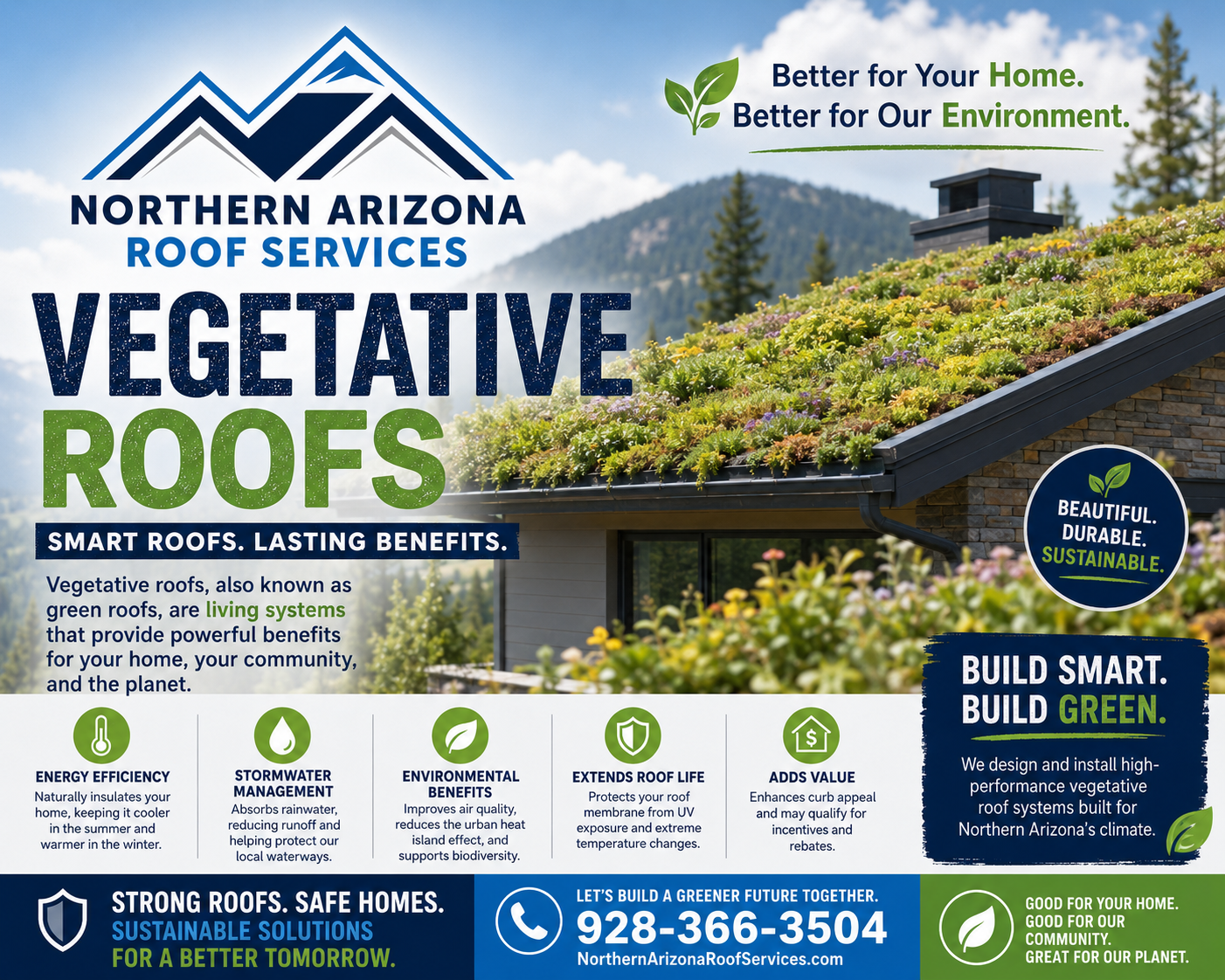
When most people think about a roof, they picture shingles, tile, or metal. But an increasing number of architects, municipalities, businesses, and property owners are looking upward in a different way with vegetative roofs, also known as green roofs or living roofs.
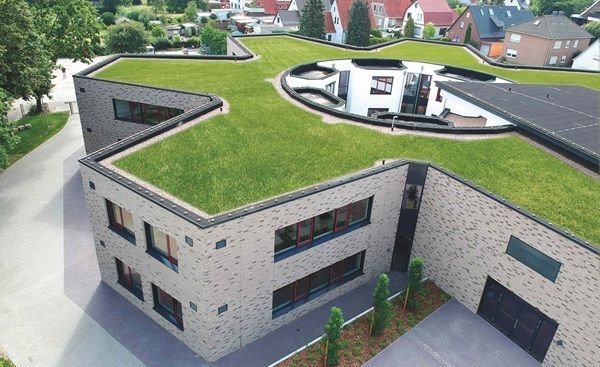
A vegetative roof is much more than an attractive rooftop garden. It is a carefully engineered roofing system that combines waterproofing, drainage, specialized growing media, and vegetation to create a functional landscape above a building. As communities continue to prioritize sustainability and resilience, vegetative roofs are becoming an innovative solution that delivers environmental, economic, and lifestyle benefits.
Managing Stormwater Naturally
One of the greatest advantages of a vegetative roof is its ability to manage stormwater. Instead of allowing rainwater to immediately rush into gutters and municipal storm drains, the vegetation and growing medium absorb and retain a significant portion of the rainfall.
This natural process slows runoff, reduces peak stormwater flow, and helps minimize the strain placed on city drainage systems during heavy storms. By filtering water before it leaves the roof, vegetative systems can also improve water quality while reducing erosion and localized flooding.
Helping Cities Stay Cooler
Cities are filled with asphalt, concrete, and dark rooftops that absorb and radiate heat, creating what is known as the urban heat island effect. Vegetative roofs help combat this by replacing heat-absorbing surfaces with living plants.
Plants cool the surrounding environment through shading and evapotranspiration, helping reduce rooftop temperatures, lower surrounding air temperatures, and decrease the amount of energy needed to cool buildings during hot summer months. In addition to lowering energy consumption, green roofs can also contribute to improved air quality and reduced greenhouse gas emissions.
More Than a Roof, A Usable Space
With thoughtful planning and design, a vegetative roof can become one of the most enjoyable spaces on a property.
Depending on the structure and intended use, green roofs can provide:
- Outdoor gathering and relaxation areas
- Employee break spaces
- Rooftop patios
- Community gardens
- Outdoor classrooms
- Wildlife habitat for birds and pollinators
Many commercial properties are transforming previously unused rooftops into beautiful, functional environments that improve both employee well-being and property value.
Did You Know? There Are Different Types of Green Roofs
Not all vegetative roofs are the same. They are generally classified by the depth of their growing medium and the types of plants they support.
Extensive Green Roofs
Extensive systems feature shallower soil depths and lightweight vegetation such as sedums, grasses, and drought-tolerant plants. These roofs require less maintenance and are commonly installed where public access is limited.
Intensive Green Roofs
Intensive systems utilize deeper growing media capable of supporting shrubs, flowers, small trees, lawns, and larger landscape features. Because of their increased soil depth, these roofs require greater structural support and maintenance but can function as fully accessible outdoor spaces.
The choice between an extensive or intensive system depends on the building's structural capacity, intended use, maintenance goals, and budget.
Green Roof Trends Are Growing
As sustainable construction continues to evolve, vegetative roofs are being used in exciting new ways across the world.
Some of today's most innovative applications include:
- Educational rooftops where schools use gardens as interactive science and agriculture classrooms.
- Urban farming, with restaurants and commercial buildings growing herbs, vegetables, and produce just steps away from their kitchens.
- Healing gardens at hospitals and healthcare facilities, providing patients, families, and staff with calming outdoor environments that promote wellness and recovery.
- Community gathering spaces that reconnect people with nature while maximizing valuable urban space.
Is a Vegetative Roof Right for Your Building?
While vegetative roofs offer numerous benefits, they require proper planning, engineering, and installation. Factors such as structural capacity, waterproofing, drainage, irrigation, plant selection, and ongoing maintenance all play an important role in long-term performance.
At Northern Arizona Roof Services, we understand that every roofing project is unique. Whether you're exploring sustainable roofing options for a commercial property, multifamily building, municipal facility, or custom home, we're happy to discuss whether a vegetative roofing system is the right fit for your project.
Interested in adding a vegetative roof to your property? Contact Northern Arizona Roof Services today. Our team can evaluate your building, discuss available system options, and help you explore innovative roofing solutions that are both beautiful and built to last.