Are Your Shingles Showing Their Age?
Know the warning signs of worn-out shingles before a small problem turns into a costly leak.
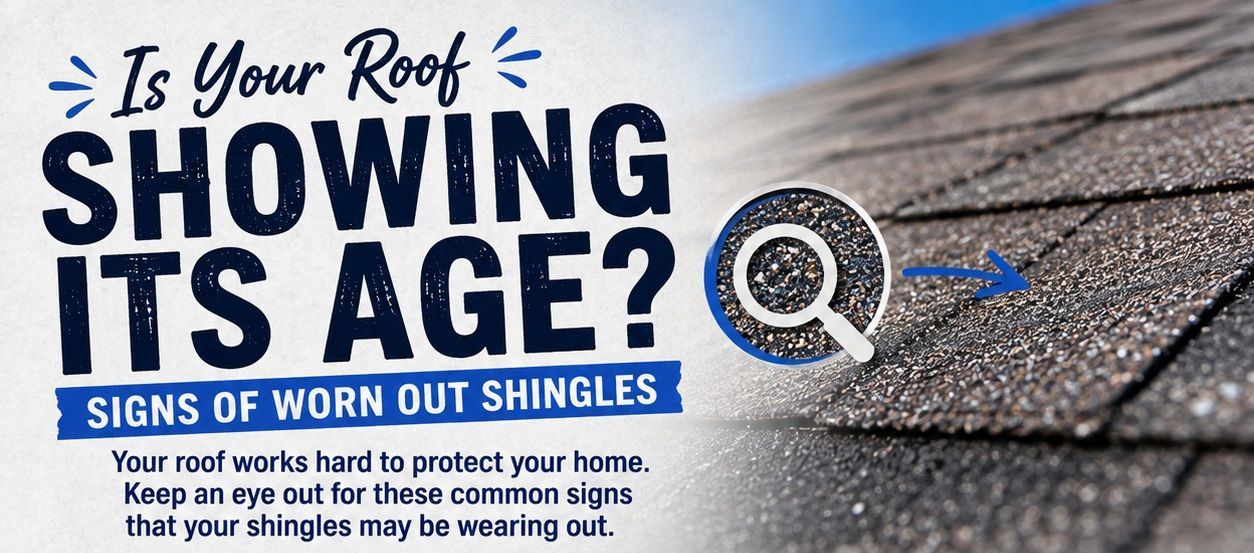
Your roof works hard every day to protect your home from the elements. In Arizona, that can mean intense UV exposure, high winds, monsoon storms, hail, snow, freezing temperatures and significant temperature swings...all of which can take a toll on asphalt shingles over time.
While shingles are designed to withstand years of exposure, they don't last forever. The good news is that an aging roof will often show warning signs before a major problem develops. Knowing what to look for can help you address concerns early and potentially avoid interior water damage and more extensive repairs.
1. Granule Loss
Those small granules covering asphalt shingles aren't just for appearance. They help protect the shingle from UV exposure and weathering.
Some granule loss is normal, particularly on a newer roof. However, excessive granules collecting in gutters and downspouts or noticeable bare areas on the shingles can indicate that the roofing material is beginning to deteriorate.
As more granules are lost, the underlying asphalt becomes increasingly exposed to the sun, which can accelerate the aging process.
2. Fiberglass Sparkling Through
Have you ever looked at a roof and noticed areas that seem to sparkle in the sunlight?
That shine may actually be the fiberglass mat becoming exposed as the protective granules and asphalt wear away. When fiberglass becomes visible, it's a strong indication that the shingles have experienced significant surface deterioration.
This is one of those signs that can be easy to overlook from the ground but may be very noticeable during a professional roof assessment.
3. Missing Shingles
A missing shingle is more than a cosmetic issue. It can leave portions of the roofing system underneath exposed to wind and moisture.
High winds and storms can loosen older shingles, especially when the adhesive bond has weakened with age. Even if the rest of the roof appears to be in good condition, missing shingles should be addressed before the next storm has an opportunity to create additional damage.
4. Curling, Lifting or Buckling Shingles
Shingles should generally lie flat against the roof.
If the edges are curling upward, sections are lifting or shingles appear buckled or distorted, the roofing material may be nearing the end of its useful life. Lifted shingles can also become more vulnerable during high winds and may create opportunities for wind-driven rain to get underneath the roofing material.
5. Cracked or Broken Shingles
Arizona's temperature changes can be tough on roofing materials. Repeated heating and cooling can contribute to shingles becoming brittle over time.
Once shingles lose flexibility, cracking and breaking can become more common. Damaged areas may eventually compromise the roof's ability to shed water effectively.
6. Exposed or Popped Nails
Roofing fasteners should remain properly secured and protected.
As a roofing system ages and materials expand and contract, nails can sometimes begin to back out or become exposed. These seemingly small areas can create potential entry points for moisture and should be evaluated and corrected.
7. Uneven or Deteriorated Areas
Roof deterioration doesn't always happen evenly.
One section of a roof may receive significantly more sun exposure, wind or weather than another. You may notice areas that appear faded, darker, thinner or more deteriorated than surrounding sections.
That's why the overall condition of the roofing system, not simply its age, is important when determining whether maintenance, repairs or replacement should be considered.
Don't Wait for a Leak
One of the biggest misconceptions about roofing is that no leak means no problem.
By the time water makes its way through the roofing system, decking, insulation and into the interior of a home, the underlying issue may have been developing for quite some time.
Annual assessments can help identify deterioration before it becomes an active leak. This can be especially valuable following severe weather or before Northern Arizona's monsoon and winter seasons.
Repair or Replace?
Finding worn shingles doesn't automatically mean you need an entirely new roof.
Depending on the age and overall condition of the roofing system, localized repairs may be appropriate. In other situations, widespread granule loss, exposed fiberglass, brittle shingles and recurring damage may indicate that replacement is the more practical long-term solution.
The key is understanding the overall condition of the roof and making an informed decision rather than waiting for a failure.
Is It Time to Take a Closer Look?
If you've noticed granules collecting around your home, missing shingles, exposed fiberglass or other signs of deterioration, it may be time to have your roof evaluated.
At Northern Arizona Roof Services, we can assess the condition of your roofing system, identify areas of concern and discuss your options whether that's maintenance, a targeted repair or planning for a future replacement.
Protect What Matters Most.
📞
Northern Arizona: 928-366-3504
📞
Greater Phoenix Area & Beyond: 623-810-9265
🌐
www.northernarizonaroofservices.com