From Monsoon to Winter: Is Your Roof Ready?
Prepare Your Roof for Northern Arizona’s Changing Seasons
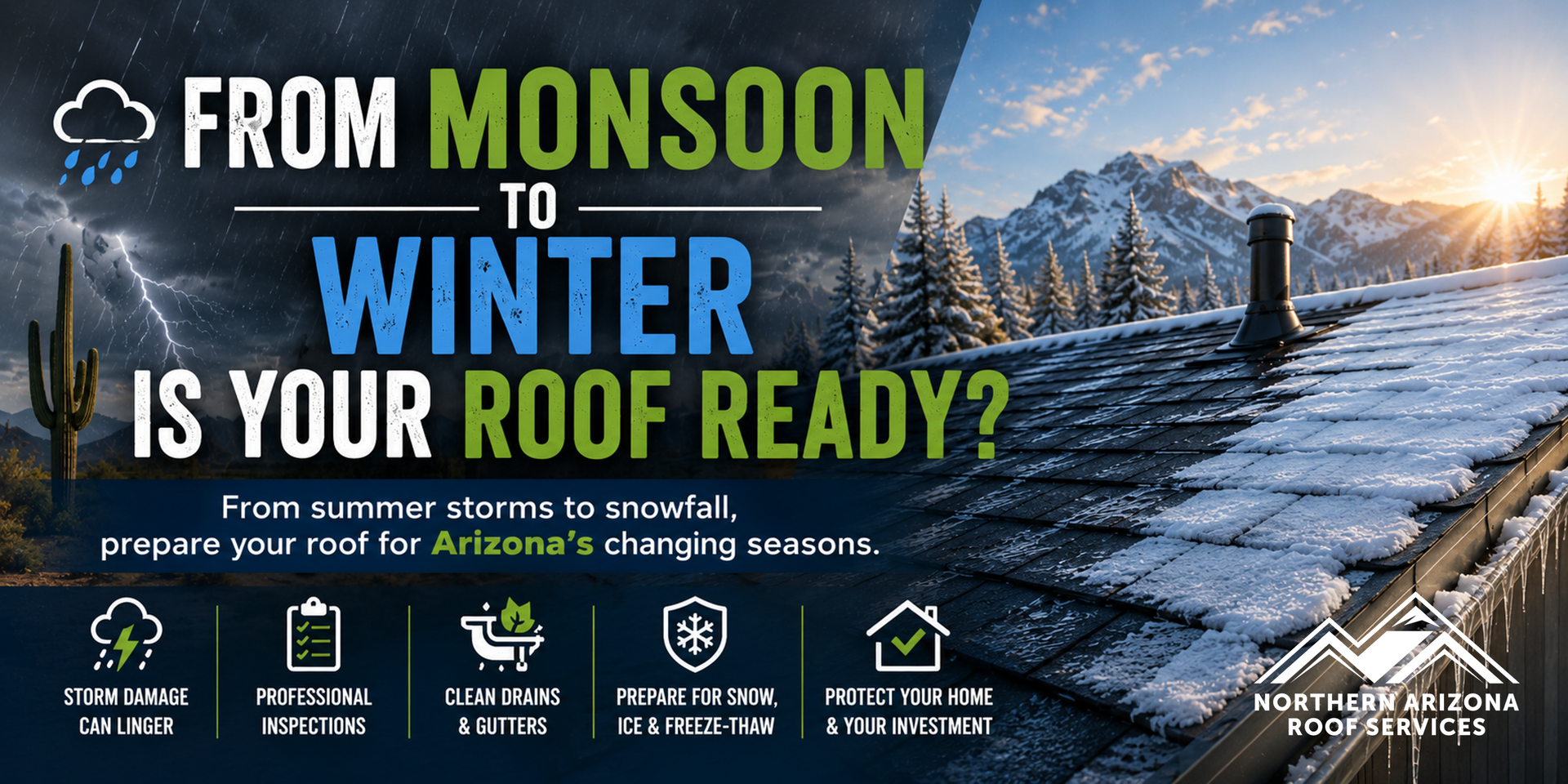
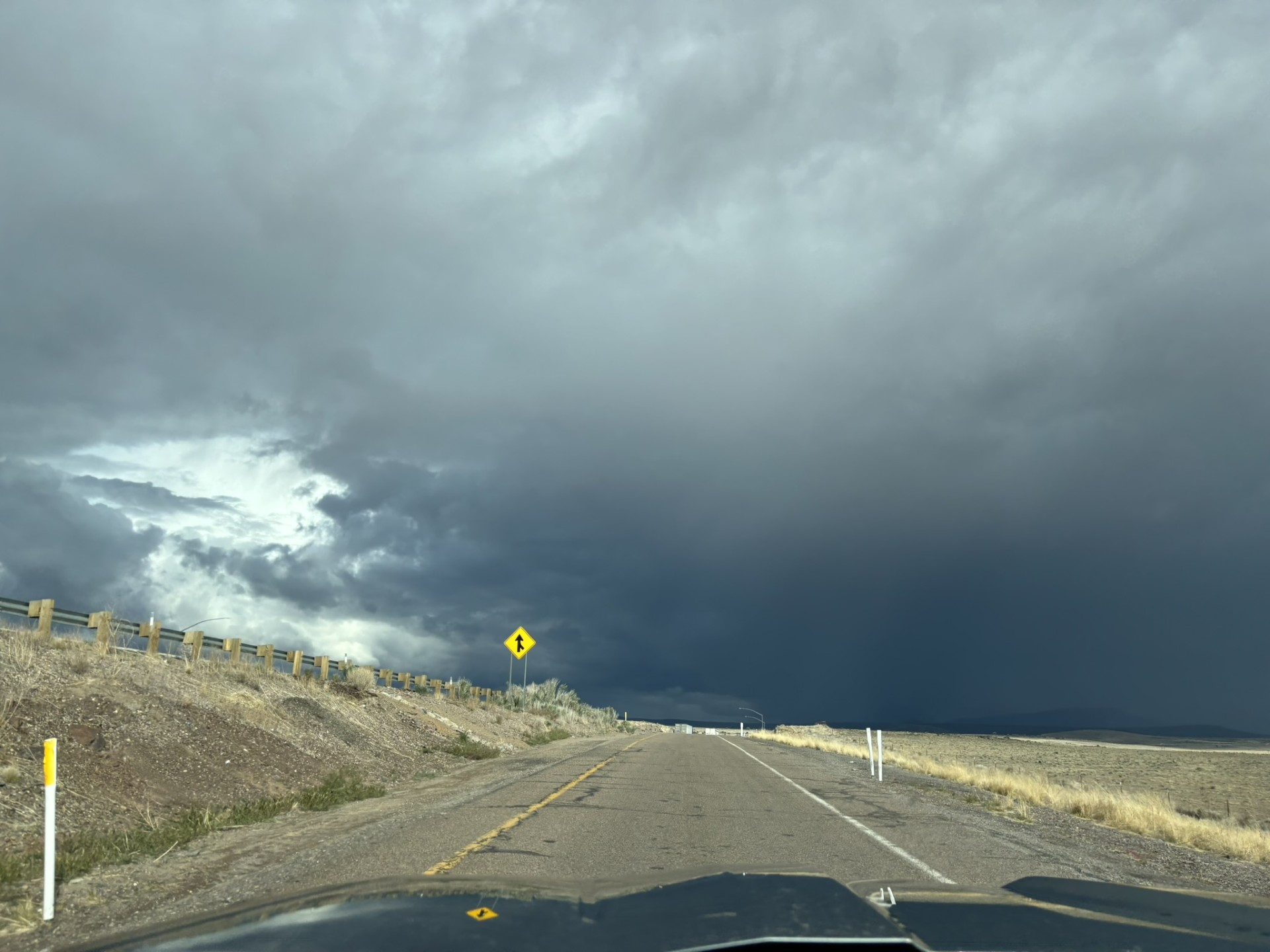
In Arizona, the transition from monsoon season to winter can happen quickly. One week we're dealing with heavy rain, high winds, hail, and intense sun, and before long, temperatures are dropping and we're preparing for ice, freeze-thaw cycles and snow.
Your roof has already worked hard through the summer. Before winter arrives, now is the time to make sure it's ready for what's next.
What Monsoon Season May Have Left Behind
Even if you didn't experience an obvious roof leak during monsoon season, summer storms can leave behind damage that isn't always noticeable from the ground.
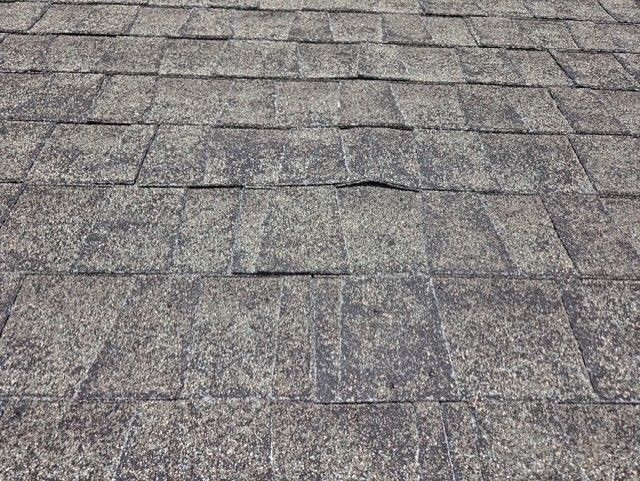
High winds can loosen or lift shingles and flashing. Hail and wind-driven debris can damage roofing materials. Heavy rain may expose vulnerable seams, penetrations, or drainage areas. Debris can also collect in gutters, scuppers, valleys, and drains, creating problems when winter precipitation arrives.
Small issues now can become much bigger problems once freezing temperatures enter the picture.
Why Fall Roof Inspections Matter
A roof inspection between monsoon and winter gives you an opportunity to identify and address potential problems while weather conditions are generally more favorable for repairs.
A professional roof inspection should evaluate areas such as:
- Roofing materials for damage, deterioration, or movement
- Flashing around chimneys, walls, skylights, and roof penetrations
- Sealants and exposed fasteners
- Gutters, drains, scuppers, and drainage areas
- Low-slope or flat roof membranes for punctures, open seams, or areas of concern
- Signs of ponding water or poor drainage
- Debris accumulation
- Fascia, edges, and other vulnerable perimeter areas
- Previous repairs that may need additional attention
Catching these issues early can help reduce the likelihood of discovering a problem in the middle of the first major winter storm.
Don't Forget Gutters, Drains and Scuppers
Proper drainage is important year-round, but it becomes especially important heading into winter.
Leaves, pine needles, dirt, and storm debris can restrict gutters, drains, and scuppers. When water can't drain properly, it can collect on the roof or freeze in areas where it shouldn't.
Cleaning drainage areas before the first significant snowfall is a relatively simple maintenance step that can help prevent much larger problems.
Trees Need Attention, Too
Winter preparation doesn't stop at the edge of your roof.
Branches that overhang or make contact with a roof can become a greater concern when they're weighed down by snow and ice. Falling branches can puncture roofing materials, damage gutters and flashing, or cause more substantial structural damage.
Trimming problematic branches before winter can help reduce that risk while also limiting the amount of leaves, pine needles, and other debris accumulating on the roof.
Snow in Higher Elevation Changes the Equation
Northern Arizona roofs face conditions that many other parts of Arizona don't have to consider.
Snow accumulation adds weight to the roof system. Melting snow introduces significant amounts of water, and overnight temperature drops can cause that water to refreeze. Repeated freeze-thaw cycles can expose weaknesses in flashing, seams, drainage systems, and other roof components.
Ice and snow can also create drainage issues. When melting snow can't move efficiently off the roof, water may back up into areas that weren't designed to handle prolonged moisture.
That's why winter roof readiness isn't just about whether your roof can handle snow—it's also about making sure water has somewhere to go when that snow begins to melt.
What About Snow Guards and Heat Cable?
Fall is also a good time to evaluate whether your property could benefit from snow retention systems or heat cable.
Snow guards and other snow-retention systems are designed to help control the sudden release of accumulated snow and ice from certain roof surfaces, particularly metal roofs. This can be important above walkways, entrances, driveways, patios, and other areas where sliding snow could create a hazard.
Heat cable may be used in certain roof, gutter, and drainage applications to help manage ice accumulation and keep critical drainage paths functioning.
These systems aren't one-size-fits-all. The roof type, slope, drainage design, snow exposure, and location of pedestrian areas should all be considered when determining the appropriate solution.
A Little Prevention Can Go a Long Way
One of the most common roofing mistakes is waiting until there's an active leak to call a professional.
Preventive maintenance gives property owners an opportunity to address minor concerns before they become emergency repairs. It can also help extend the service life of a roof system and provide a better understanding of its overall condition.
If your roof made it through monsoon season without an obvious problem, that's great—but it doesn't necessarily mean it came through completely unaffected.
Between monsoon and winter is the perfect time to take a closer look.
Is Your Roof Winter Ready?
Before Arizona's temperatures drop, consider scheduling a professional roof inspection. Addressing loose materials, deteriorated sealants, drainage issues, storm damage, and other maintenance needs now can help your roof enter winter in the best condition possible.
At Northern Arizona Roof Services, we provide residential and commercial roof inspections, repairs, maintenance, reroofing, snow guards, heat cable, and other roofing solutions designed for Northern Arizona's unique climate.
Don't wait for the first winter storm to find out your roof wasn't ready.